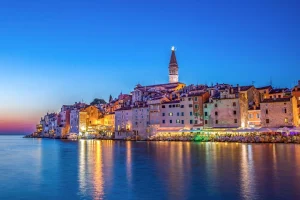
Croatia, a country nestled in the heart of Europe along the Adriatic Sea, boasts a rich tapestry of customs and traditions that reflect its diverse history and cultural heritage. From ancient rituals to contemporary celebrations, the customs of Croatia provide insight into the values, beliefs, and lifestyles of its people. This article will explore some of the most significant customs and traditions in Croatia, focusing on festivals, culinary practices, family life, and folk art.
Festivals and Celebrations
One of the most vibrant aspects of Croatian culture is its festivals, many of which are tied to historical events, religious observances, or seasonal changes. One of the most famous is Dubrovnik’s Summer Festival (Dubrovačke ljetne igre), which has been celebrated since 1950. This month-long festival features performances of classical music, theater, and dance in some of the city’s most iconic locations. Visitors can enjoy the stunning backdrop of the ancient city walls while experiencing world-class artistry.
Another significant celebration is Špancirfest, held annually in the town of Varaždin. This festival, which takes place in late August, combines music, street performances, and arts and crafts. It transforms the town into a vibrant marketplace filled with artists, musicians, and performers, showcasing local culture and creativity.
For those who enjoy the spiritual aspects of Croatian customs, All Saints’ Day (Svi sveti) on November 1st is a poignant observance. Families visit cemeteries to honor their deceased loved ones, bringing flowers and lighting candles to commemorate their memory. This tradition underscores the deep respect and connection Croatians maintain with their ancestors.
Culinary Traditions
Croatian cuisine is as diverse as its geography, with each region offering unique flavors and dishes. The customs surrounding food are integral to family gatherings, celebrations, and daily life. One of the most beloved traditional dishes is pašticada, a slow-cooked beef stew marinated in red wine and spices, typically served with gnocchi. This dish is often prepared for special occasions and family gatherings, symbolizing unity and tradition.
In coastal areas, seafood plays a central role in the diet. Dishes like black risotto (crni rižot) made with cuttlefish ink are a testament to the culinary influence of the Adriatic Sea. Sharing meals with family and friends is a significant custom, often accompanied by lively conversation and laughter.
The ritual of preparing homemade rakija (fruit brandy) is also an important tradition, particularly in rural areas. Families often produce their own rakija from local fruits, and it is commonly offered to guests as a sign of hospitality. This practice not only reflects the agricultural heritage of Croatia but also serves as a social bonding activity.
Family Life and Social Customs
Family is at the core of Croatian society, and traditional values continue to play a significant role in daily life. Croatian families often gather for Sunday lunches, where they share hearty meals and stories. This practice reinforces familial bonds and highlights the importance of spending quality time together.
In terms of social customs, greeting someone in Croatia is an important ritual. A firm handshake is the most common greeting, accompanied by eye contact to signify respect. Close friends and family may greet each other with a kiss on both cheeks, reflecting warmth and affection. When entering a home, it is customary to remove one’s shoes, a practice that emphasizes cleanliness and respect for the household.
Folklore and Folk Art
Croatian folklore is rich with stories, legends, and customs passed down through generations. Traditional folk tales often feature mythical creatures and moral lessons, reflecting the values of the community.
Folk art is another essential aspect of Croatian culture. The country is known for its intricate embroidery, pottery, and wood carving. Each region has its unique styles and techniques, often showcased at local fairs and festivals. The art of klapa singing, a form of traditional a cappella harmony, is also recognized by UNESCO as an Intangible Cultural Heritage. These songs, often about love and the sea, are a significant part of community gatherings and celebrations.
Conclusion
Croatia’s customs and traditions are a reflection of its rich history and cultural diversity. From lively festivals and culinary delights to strong family ties and vibrant folk art, the customs of this beautiful country offer a glimpse into the heart and soul of its people. As Croatia continues to evolve in the modern world, these traditions remain a vital part of national identity, ensuring that the heritage of this enchanting country is preserved for generations to come. Whether you’re experiencing the warmth of a Croatian family meal or the joy of a local festival, the customs of Croatia invite you to celebrate life, love, and community.